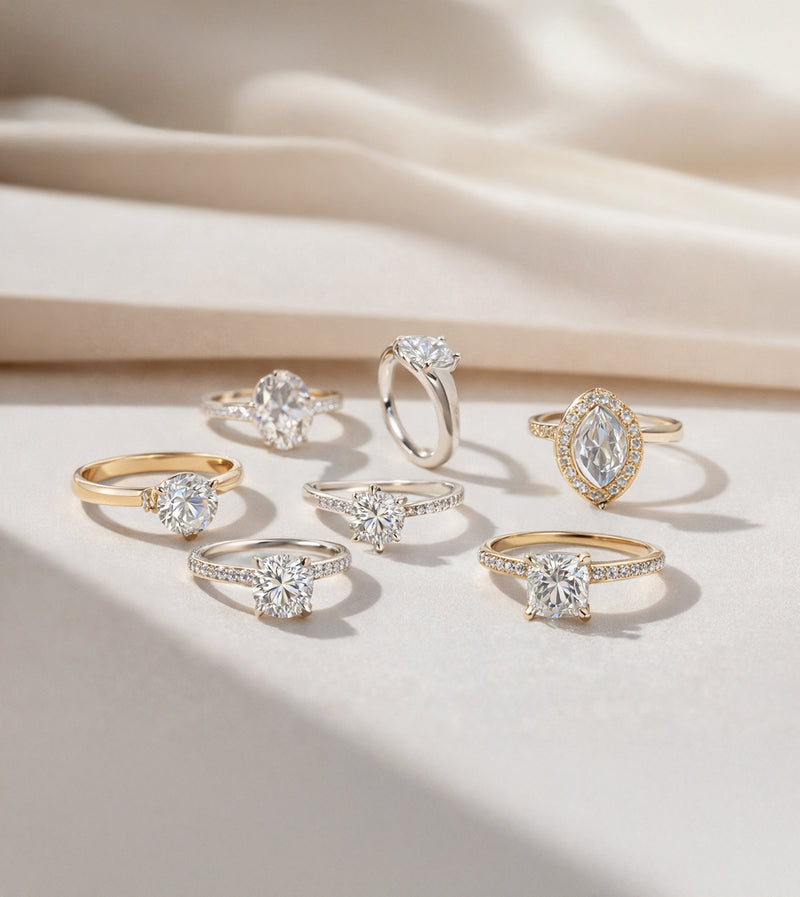
Ring Size Chart & Guide
Find your perfect ring size with our easy-to-follow guide and conversion chart.
How to Find Your Ring Size
To make things easier for you, we've put together this simple guide. Our goal is to help you find the perfect fit with confidence, even when you're shopping from home — because when it comes to rings, the right size truly matters.
Below are two easy methods you can use to measure your ring size accurately.
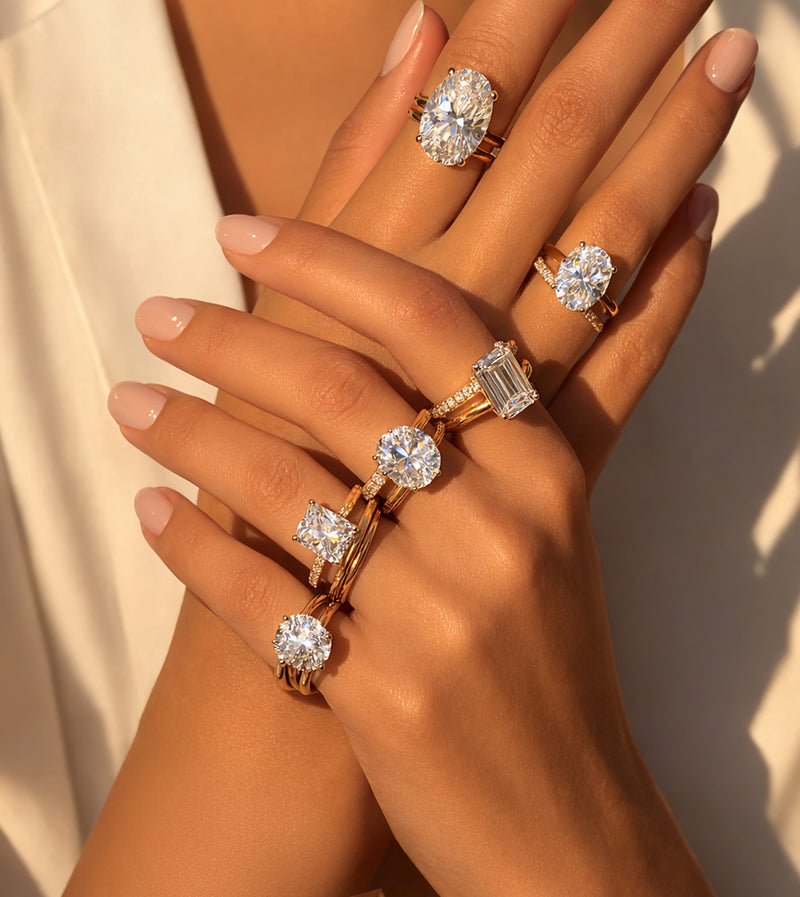
Ring Size Chart
| Diameter (mm) | Diameter (in) | Circumference (mm) | DK/EU Size | US Size | UK Size | Japan Size |
|---|---|---|---|---|---|---|
| 14.0 | 0.56 | 44 | 44 | 3 | E | 4 |
| 14.4 | 0.57 | 45 | 45 | 3¼ | F | 5½ |
| 14.7 | 0.58 | 46 | 46 | 3¾ | G | 6 |
| 15.0 | 0.59 | 47 | 47 | 4 | H | 7 |
| 15.0 | 0.59 | 48 | 48 | 4½ | I | 8 |
| 15.6 | 0.61 | 49 | 49 | 5 | I½ | 9 |
| 15.9 | 0.63 | 50 | 50 | 5¼ | J | 10 |
| 16.2 | 0.64 | 51 | 51 | 5¾ | K | 11 |
| 16.5 | 0.65 | 52 | 52 | 6 | L | 12 |
| 16.9 | 0.67 | 53 | 53 | 6¼ | M | 13 |
| 17.3 | 0.68 | 54 | 54 | 7 | N | 14 |
| 17.5 | 0.69 | 55 | 55 | 7¼ | N½ | 15 |
| 17.8 | 0.70 | 56 | 56 | 7½ | O | 16 |
| 18.2 | 0.72 | 57 | 57 | 8 | P | 16½ |
| 18.6 | 0.73 | 58 | 58 | 8½ | Q | 17 |
| 18.8 | 0.74 | 59 | 59 | 8¾ | R | 18 |
| 19.1 | 0.75 | 60 | 60 | 9 | R½ | 18½ |
| 19.4 | 0.76 | 61 | 61 | 9½ | S | 19 |
| 19.8 | 0.78 | 62 | 62 | 10 | T | 20 |
| 20.2 | 0.80 | 63 | 63 | 10¼ | U | 21 |
| 20.6 | 0.81 | 64 | 64 | 10¾ | V | 22 |
| 20.8 | 0.82 | 65 | 65 | 11 | V½ | 23 |
| 21.0 | 0.83 | 66 | 66 | 11½ | W | 24 |
| 21.3 | 0.84 | 67 | 67 | 12 | X | 25 |
| 21.8 | 0.86 | 68 | 68 | 12½ | X½ | 26 |
| 22.1 | 0.87 | 69 | 69 | 12¾ | Z | 27 |
| 22.3 | 0.88 | 70 | 70 | 13 | Z + 1 | 28 |
| 22.6 | 0.89 | 71 | 71 | 13½ | Z + 2 | 29 |
Ring Sizes for Men and Women
The ring size chart above includes sizes suitable for both men and women. In general, men's ring sizes tend to be slightly larger than women's. Most men typically start around EU size 52 (US 6), with the majority of men's ring sizes falling between EU/DK size 60 (US 9) and EU/DK size 65 (US 11).
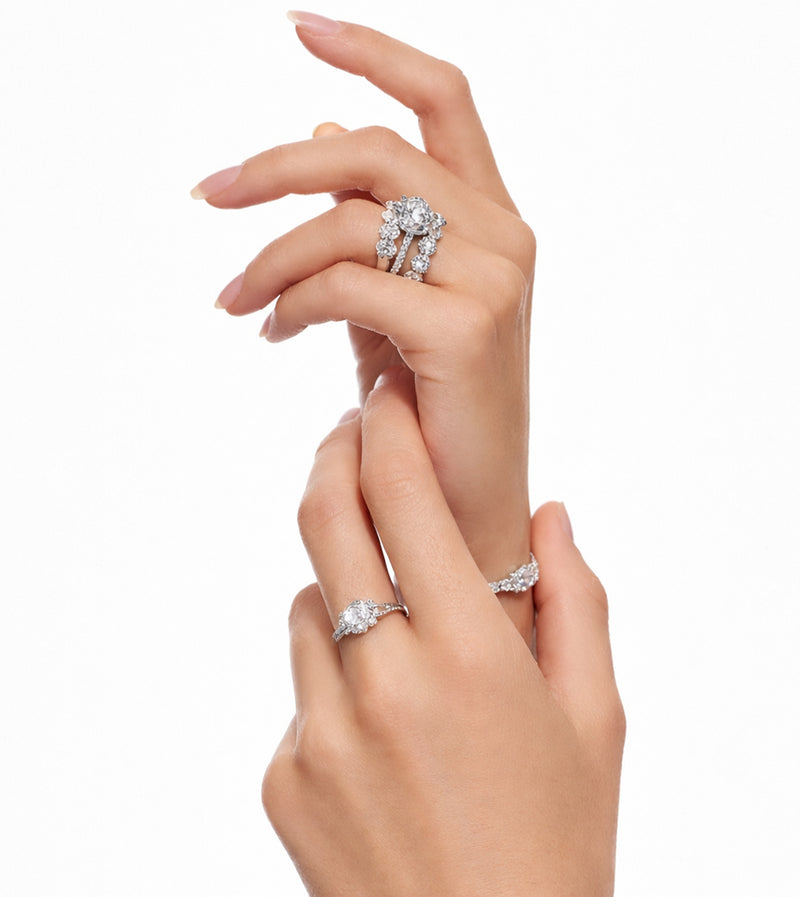
Method no. 1: Measure your own finger
Step 1: Wrap a strip of paper or a piece of thread around the finger where you plan to wear the ring. Make sure to leave a little room so the ring can slide comfortably over your knuckle.
Step 2: Mark the point where the paper or thread overlaps. Then measure the length using a ruler. This measurement represents the circumference of your finger, which corresponds to European ring sizes. For example, if the measurement is 5.4 cm, you should choose size 54.
If your measurement falls between two sizes, we recommend choosing the larger size for a more comfortable fit.
As a general guideline, wider rings usually require a slightly larger size, while slim or delicate rings may fit better with a slightly smaller size (around 0.5 size difference).
This method can be used to determine the size for any finger.
Please note that ring size may vary slightly depending on the ring's design, width, and how it fits on your finger.
Method 2: Measure an Existing Ring
Take a ring that already fits the intended finger and place it on a flat surface. Using a ruler, measure the inside diameter of the ring from one inner edge to the other at the widest point.
Once you have the measurement, compare it with the ring size chart above to find the corresponding size. When selecting the correct ring size, accuracy is important, as even a small difference of a few millimeters can affect how comfortably the ring fits.
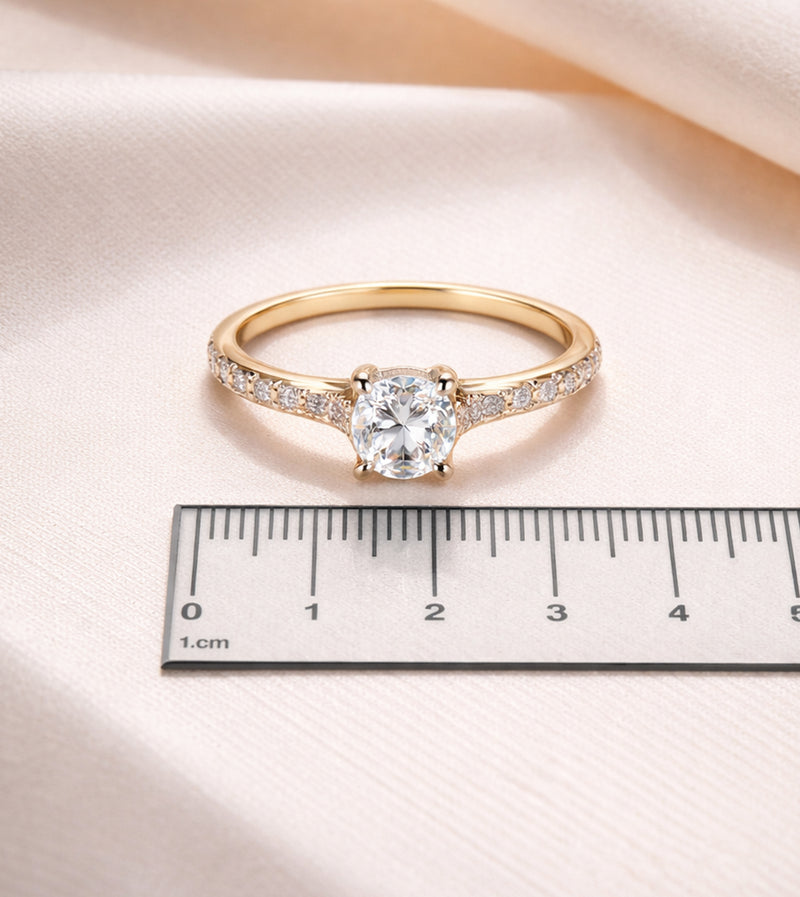
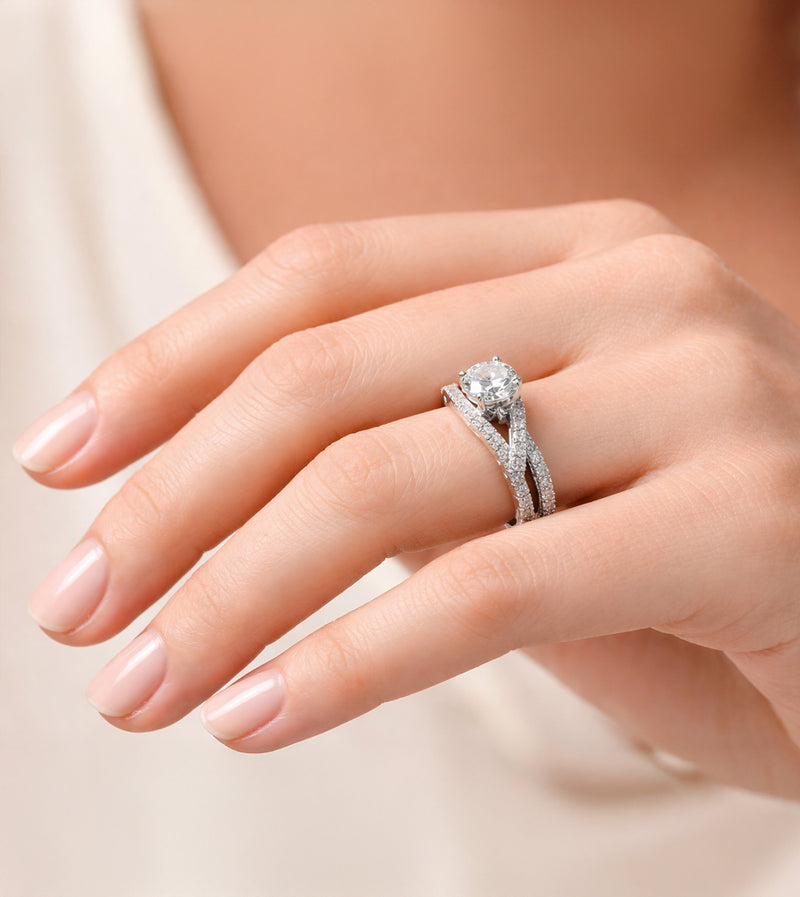
Things to Consider
When measuring your ring size, keep in mind that the fingers on your dominant hand are usually slightly larger than those on your non-dominant hand. Make sure you measure the exact finger where you plan to wear the ring.
Temperature and physical conditions can also affect your ring size. Cold weather may cause your fingers to shrink slightly, while heat, water retention, or certain foods and medications can cause swelling. For the most accurate measurement, try measuring your finger when it is at a normal, comfortable temperature.
Ring Sizing Tips
Here are a few helpful tips when choosing a ring size based on the ring's design or style:
Wide or Statement Rings
Rings with broader or thicker bands (typically over 6 mm) tend to fit more snugly. For better comfort, it's often recommended to choose half a size larger when selecting thicker bands.
Stacking Rings
Slim stacking rings are designed to sit close to the finger. For the best fit, choose a slightly snug size and measure the exact finger where you plan to wear the ring.
Finding the Right Ring Size
Rings have been a timeless accessory for both men and women. At Evlovve, we offer a wide range of ring styles designed to suit every taste and occasion.
Cocktail Rings: Bold statement pieces that can be worn on any finger. Always measure the specific finger you plan to wear the ring on.
Stacking Rings: Delicate rings designed to be worn together or individually for a layered look. Choose a snug fit for comfort.
Knuckle Rings: These trendy rings sit higher on the finger, so it's usually best to choose half a size larger.
Engagement & Wedding Rings: Rings you wear every day should fit perfectly. Take time to measure carefully for the most comfortable size.
Adjustable Rings: Open-ended designs that can be slightly adjusted, making them a great option for gifting.